2RedBeans
ISTP in Love: Why Your Quiet Care Is Being Misread (And What to Do About It)
That night, W didn't slam the door or cry. She just said one thing, softly: "You don't care about me at all." Her voice was so quiet J almost missed it. He was crouched on the floor taking apart an old laptop, a hex wrench still in his mouth. He looked up and said, "I do care."
She just broke.
From the outside, this is the most ISTP relationship moment there is: not a lack of love, but love expressed so quietly it disappears. And what lands on the other person? Cold. Indifferent. Checked out. So let's actually unpack this: What kind of partner does work with an ISTP? Why do they get misread so often? And how do you actually cross that communication gap that feels like a chasm?
Three Things About ISTPs in Relationships: Independent, Practical, and Terrible at Saying It Out Loud
 Image by OpenClipart-Vectors on Pixabay
Let's start with independence. ISTP independence isn't some coy "hard to get" thing—it's a real need for solo time. After a date, they might not text you for three days. Not because they don't want to, but because they're building a model, fixing their car, grinding through a game, or scouting a new hiking trail. You're part of their life, not the entirety of it. Early on, this reads as appealingly low-pressure; by month four, their partner is taking it personally: "I don't matter to him."
Then there's the practical part. How ISTPs comfort you is straightforward: they fix your broken storage unit, fill up your gas tank, order that fish stew you mentioned wanting last month. They almost never say "don't be sad." They say "I fixed it." That's real care, but it comes with a catch—most people can't see love in an action; they need to hear it. They need to see it on someone's face.
The hardest part: they're genuinely bad at naming feelings. Ask an ISTP "do you love me?" and they'll go silent. Then: "Aren't we together?" That's a perfect answer in their head. It lands at zero in yours. The funny part is, a lot of ISTPs know expressing stuff matters, but when they try to say it, all that comes out is "um," "yeah," and "it's fine."
Best Match #1: ESTJ or ESFJ—Someone Who Reads Actions as a Language
The right partner for an ISTP isn't a mirror. It's someone who actually gets that love can be silent and doesn't mistake quiet for cruelty. Two types tend to do well here.
ESTJ / ESFJ: Stability meets execution. One plans the summer move; the other quietly gets the car serviced and maps the route. That ESFJ warmth—"I want to take care of you"—an ISTP won't say it matters, but they feel it. The real advantage of this pairing: nobody's pushing the ISTP to constantly talk about their feelings. Their partner reads "he cleaned my water bottle without being asked" as I matter to him. It works.
But the friction is real. ESTJ and ESFJ both love checking in: "So what are you actually thinking?" ISTP's nightmare is the meeting that never ends. They think in actions; their partner wants clarity in words. If this couple makes it past year two, it's because the ISTP finally learned to say "I care about you"—just once, just one sentence. It carries them for months.
Best Match #2: ENTP or INTP—Comfortable, But Maybe Too Comfortable
 Image by Ron_Hoekstra on Pixabay
ENTP / INTP: Intellectual sparring partners. This is where ISTP relaxes. ENTP throws ideas, ISTP shakes their head, then silently builds the first one into something real. INTP is like a soundproofing panel—you can both disappear into your own thing for three hours, surface to say "that design actually works," and call it a conversation. No pressure to perform emotion. No one asking "why are you quiet?"
The problem lives right there. Two people who avoid feelings can end up in silent avoidance. Not a fight—total radio silence. Especially INTP; they can be churning inside while their face says "it's whatever." If you want the deeper read on ISTP-INTP dynamics, we covered similar territory in our piece on INTP partnerships—call it "quiet coexistence," which works until it doesn't.
The Couples That Crash: INFJ and ENFP
INFJ / ENFP: The Temperature Mismatch. These pairings aren't impossible, but they create the easiest misreading: ISTP's normal behavior becomes evidence of "you don't love me enough."
ENFP needs immediate brightness—saw a cloud shaped like a dog today, needs instant "haha so cute" back. INFJ doesn't ask "do you love me?" but watches whether you remember what they said three days ago. ISTP's baseline? Sees it, doesn't respond, replies when they have words. ENFP falls apart: "I tell you things and you just... don't respond." INFJ doesn't say anything but starts subtracting points: "He's not even listening." ISTP looks confused: "I heard you. I just needed to think about what to say."
And here's the trap: these two types often attract ISTPs hard. One brings the spark, one brings the depth—exactly what an ISTP feels missing in themselves. But it also means that if you don't get the translation manual early, closeness becomes the worst part. The more you care, the more it hurts.
Why ISTP Silence Always Reads as Cold
 Image generated by Gemini Nano Banana
Search "ISTP relationships" online and you'll find ten warnings for every love story. But when you drill into the breakups, the #1 reason isn't "wrong personality type"—it's "they're too cold." Unpack that "cold" and you find three things happening: ISTPs reply slow, they turn comforting into problem-solving, and they shut down completely during fights.
Your partner says "Work's been destroying me lately." An ISTP's honest reaction: "So take on one fewer project." In their own head, that's care—it's efficiency, it's the fix. But on the receiving end: You didn't hold my emotion; you're telling me how to live. The conversation shifts: "I don't need a solution. I need you to just be with me." And the ISTP genuinely stalls: "But being with you and giving you a solution is the same thing..."—and that's the moment it breaks.
So the core problem isn't that ISTPs can't love. It's that their love signal travels on a frequency their partner isn't tuned to. Then both people get hurt: ISTP thinks "I fixed your lamp that's been broken for six months and you say I don't care." Their partner thinks "You do all this stuff but you feel absent."
From "Showing" to "Saying": Three Habits You Can Actually Build
Most ISTPs don't refuse to express themselves—they literally don't have the channel for it. We've seen three lightweight practices work repeatedly in actual couples. You don't have to become someone else. You just translate what you're already doing.
Put Your Actions Into Words. You fixed the laptop. Don't just say "done." Add: "You mentioned it was running slow, so I opened it up and cleared the dust." In the ISTP mind, that's redundant—you already did the thing. But for your partner, that one sentence connects action to care. Feels weird for five tries. Natural by the tenth.
Do one small check-in a day. Not hearts and roses. Just facts: "Saw your favorite cake place had the flavor you mentioned last month—grabbed one." Not flowery, but it says: when you're not in the room, you're in my head. ISTPs are naturally good at this because it's just reporting what you noticed. It's the language you already speak.
When they're upset, pause the fixing. This one's hardest. ISTP instinct is to solve the problem immediately. But 90% of the time, people crying or venting need understanding before solutions. Better move: repeat back what you hear: "So they dumped the whole project on you last minute and you feel set up." That's called mirroring. Not solving. Once they calm down, offer the fix. It lands differently.
None of these require you to be verbose. They just make your actions visible. Once you break through that communication barrier, ISTP actually has major relationship superpowers—emotional stability, follow-through, no games. Those beat sweet words by miles in a long-term partnership.
One Final Thing
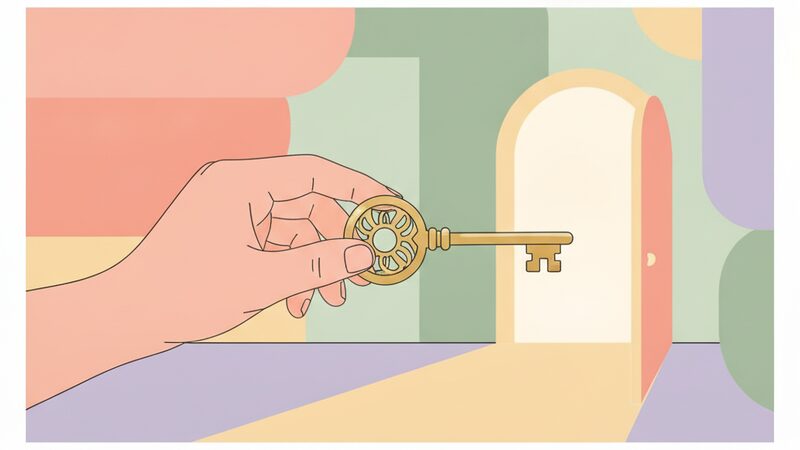 Image generated by Gemini Nano Banana
MBTI is really just a conversation starter, not a relationship report card. ISTPs aren't stamped out from one mold—some are more outgoing, some actually want to talk more. When we're doing the matching on our platform, we're not just reading four letters. We're looking at actual behavior: how fast they reply, how they handle conflict, whether they actually need solo time or just think they do. That's what matters.
If you're stuck in "I care deeply but I'm being read as cold," don't immediately blame yourself. First, find someone who can actually read your language. Want to understand who does match your style? Check out our other guides like ENTJ: Matching the Commander, or just book a consultation with a 2RedBeans matchmaker. We'll look past the four letters and dig into what's actually stuck.
Frequently Asked Questions
1. Which MBTI types are best matches for an ISTP?
There's no single answer. Based on how they actually interact, ISTP tends to move smoothest with ESTJ and ESFJ—the types who read action as communication and respect your need for space. With ENTP and INTP, the early honeymoon is easy, but you have to actively build emotional language later. Instead of memorizing a compatibility chart, just watch whether they're actually okay with your quiet and respect your independence. That matters more than the four letters.
2. Why do ISTPs always come across as cold in relationships?
The "cold" usually isn't no feelings—it's feelings that don't show up, slow replies, and solving problems instead of sitting with emotions. Example: your partner needs to vent about their boss, ISTP gives them three action items instead of just listening. Your partner needs a text back, ISTP is in the middle of something. Stack that up over weeks and it feels like they don't care, even if the internal truth is totally different. The fix: say what you're doing, mirror feelings before jumping to fixes.
3. What should I know if I'm dating an ISTP?
Don't read "not texting constantly" as "doesn't love me." A lot of ISTP care shows up in actions—fixing things, handling logistics, remembering little details about your life. Give them their alone time, but be clear: "I need you to respond to me, even just to check in." Get clear on what communication frequency actually works for both of you, rather than guessing. You'll save yourself months of hurt.
Cover image by OpenClipart-Vectors on Pixabay